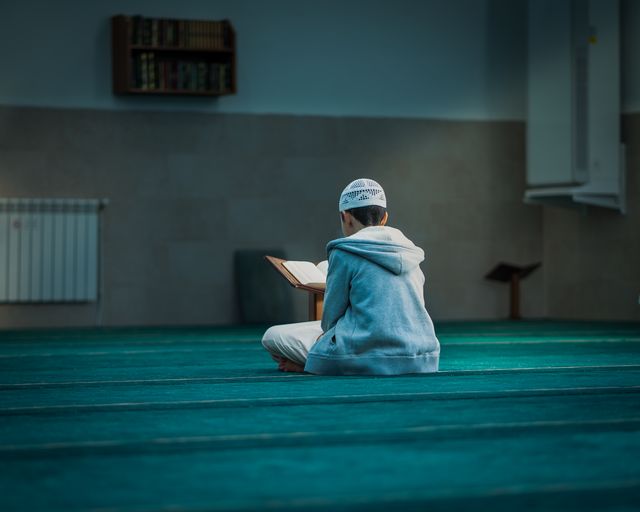
Online Quran Classes for Kids
Patient, one-on-one live Quran classes for children with Ijazah-certified teachers who are experienced with kids. Your child learns to read the Quran correctly, step by step, on a schedule that fits your family.
Our online Quran classes for kids give your child a dedicated, Ijazah-certified teacher in a live, one-on-one video lesson. There is no crowded classroom and no waiting for a turn: every minute of class is spent with your child reading, listening and getting gentle correction. Lessons happen at home, at times that work around school, sports and family life, and you can see exactly how your child is progressing through regular progress reports.
Many parents want their children to read the Quran fluently and beautifully, but finding a qualified local teacher with time for one-on-one lessons is hard. Online classes solve that. Your child gets the focused attention of a teacher who is experienced with kids, and you get a clear, structured path from the very first Arabic letter to confident recitation.
Who Our Quran Classes for Kids Are For
These classes are designed for children at every starting point:
- Complete beginners who don't yet know the Arabic alphabet. They usually begin with our Noorani Qaida classes, which build reading skills from the ground up.
- Kids who can read a little but stumble, guess at words or read too fast. A teacher slows things down and fixes habits before they set in.
- Fluent young readers who are ready to polish their pronunciation with Tajweed or to start memorizing surahs.
- Children who tried a group class and lost interest or fell behind. One-on-one lessons move at your child's pace, not the pace of the group.
Wondering whether your child is old enough? Most children are ready once they can sit and focus for a short lesson and recognize shapes and sounds. Our guide on the best age to start learning Quran walks through the signs of readiness and what to expect at different ages.
What Your Child Will Learn
Every child follows a structured path, adjusted to their level and age. The teacher assesses your child in the free trial class and places them at the right stage.
Stage 1: Arabic letters and sounds
Children learn to recognize each Arabic letter, say it from the correct place in the mouth and tell apart letters that look or sound alike. This stage is short, playful and repetitive, because a solid foundation here makes everything that follows easier.
Stage 2: Joining letters and short vowels
Next, kids learn how letters change shape when joined, and how the short vowels (fatha, kasra and damma), sukoon and shaddah change the sound. They start reading short syllables and simple words on their own.
Stage 3: Reading from the Quran
Once your child can read words smoothly, they move into the Mushaf itself, usually starting with the short surahs of Juz Amma. The teacher listens closely and corrects mistakes in real time, so your child builds accurate reading rather than memorized guesses.
Stage 4: Tajweed and memorization
Fluent readers learn the core rules of Tajweed, such as the rules of noon sakinah, madd (elongation) and proper stopping, so their recitation is correct and beautiful. Many children also begin memorizing short surahs they will use in prayer. Children who show a strong interest can continue into our online Hifz program.
Alongside reading, teachers can weave in simple duas, the meaning of short surahs and basic Islamic manners, so that learning the Quran feels connected to daily life.
How Our Kids Quran Teacher Online Classes Work
Finding the right kids Quran teacher online matters as much as the curriculum. Here is how classes are set up:
- One-on-one and live. Every class is a live video lesson between your child and their teacher. Nothing is pre-recorded, and the teacher adapts each lesson to how your child is doing that day.
- Certified teachers who understand children. Our teachers are Ijazah-certified and experienced in teaching kids. They know how to keep a young learner engaged, when to encourage and when to take a short break.
- Short, focused lessons. Classes are 30 minutes by default, which suits most children's attention spans. A 60-minute option is available on every plan for older kids or those who want to move faster.
- Flexible scheduling, 7 days a week. Classes are scheduled around your timezone, so you can pick after-school slots, weekend mornings or whatever fits your routine.
- Regular progress reports. You always know what your child is working on and how they are improving. On the Immersion plan, parents also receive ongoing parent updates.
For younger children, we recommend a parent stay nearby during the first few lessons, to help with the device and to see how the teacher works.
How Long Does It Take and What to Expect
Every child learns differently, so timelines vary with age, starting level and how often classes are scheduled. In general, children who attend several times a week and practice a little between lessons move through the alphabet and joining stages faster than those who attend once or twice. Consistency matters more than long sessions: three or four short lessons a week usually beats one long one.
In the first weeks, expect your child to recognize letters with growing confidence. As they move into joining and vowels, you will hear them sounding out words. Your child's teacher will tell you honestly where your child is and what comes next.
A few habits make a big difference at home: a quiet spot for class, a working headset or speakers, and five to ten minutes of review on days without a lesson.
Choosing a Plan for Your Child
All plans include the same one-on-one classes with a certified teacher; the difference is how many classes your child has each week:
- Foundation, $40/month: 2 classes per week (8 per month). A gentle start for very young children or busy schedules.
- Steady, $55/month: 3 classes per week (12 per month). Our most popular plan, and a good balance of progress and routine for most kids.
- Immersion, $85/month: 5 classes per week (20 per month), with parent updates. Ideal for children who want to move quickly or start Hifz.
Each plan is also available with 60-minute classes. See full details on our pricing page. If you have more than one child, each child gets their own one-on-one lessons. You may also want to look at our Islamic Studies classes to pair Quran reading with age-appropriate lessons on belief, prayer and character.
Get Started with a Free Trial Class
The easiest way to see if online Quran classes are right for your child is to try one. Every plan starts with a free 30-minute trial class with no obligation. During the trial, the teacher gets to know your child, checks their current reading level and recommends where to begin. We also use the trial to match your child with the teacher who suits them best.
Ready to give your child a strong start with the Quran? Book your child's free trial class and pick a time that works for your family. If you'd like to talk through options first, you can still schedule a no-obligation trial and ask the teacher any questions during the session.
Frequently asked questions
What age can my child start online Quran classes?+
Many children are ready to start once they can focus for a short lesson and recognize basic shapes and sounds, often around ages 4 to 6. Readiness matters more than a specific birthday. The free trial class is a good way to find out whether your child is ready, and our guide on the best age to start learning Quran explains the signs to look for.
Can a young child really focus in an online Quran class?+
Yes, when the lesson is short and one-on-one. Classes are 30 minutes by default, and our teachers are experienced with kids, using repetition, encouragement and quick changes of activity to keep young learners engaged. For very young children, having a parent nearby for the first few lessons helps them settle in.
My child doesn't know the Arabic alphabet yet. Where do they begin?+
Complete beginners start with Noorani Qaida, which teaches the Arabic letters, their sounds, joining and vowel marks step by step. Once your child can read words smoothly, they move into reading directly from the Quran.
Do I need to sit with my child during class?+
It isn't required, but it helps for younger children during the first few lessons, mainly with the device and getting comfortable. Many parents then step back and keep an ear on the lesson from nearby. Older children usually attend on their own.
How will I know if my child is making progress?+
You receive regular progress reports showing what your child is working on and how they are improving. Families on the Immersion plan also get ongoing parent updates from the teacher.
Can siblings share one Quran class?+
Every class is one-on-one, so each child has their own lessons and learns at their own pace. This avoids an older or faster sibling setting the pace for a younger one. You can book siblings at times that suit your household.
Will my child learn Tajweed or only basic reading?+
Both. Children first learn to read accurately, then learn core Tajweed rules such as noon sakinah, madd and proper stopping so their recitation is correct. Kids who want to go further can move into a dedicated Tajweed or Hifz program.
What equipment does my child need for online Quran classes?+
A laptop, tablet or computer with a camera, a stable internet connection and headphones or speakers with a microphone. A quiet space and a copy of the Quran or Qaida book are helpful, and the teacher will let you know which materials to use.
Helpful guides
Ready to get started?
Book a free trial class for online quran classes for kids — no obligation.
Start Free Trial